
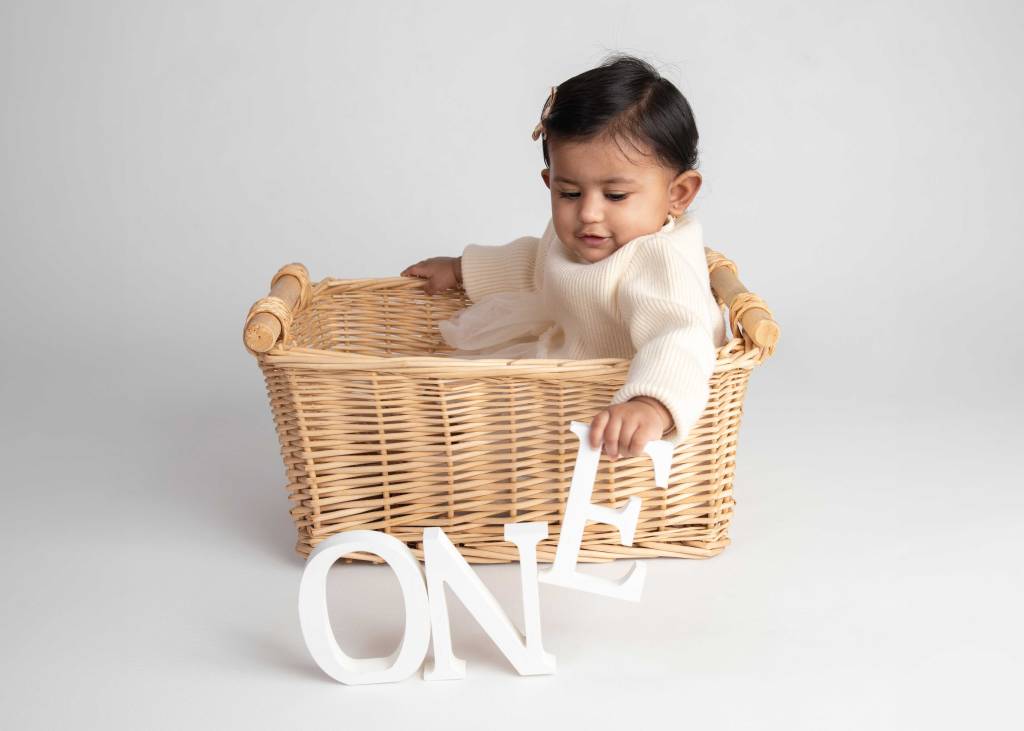
As a photographer, I spend my days noticing details – light, movement, fleeting expressions. Becoming a mum somehow sharpened that even more. Watching a one-year-old discover the world is like documenting the most beautiful slow-burn story: curiosity, repetition, joy, chaos.
Now with a two-year-old in tow, I can look back and say with confidence: not everything is essential… but some things truly earn their place in your home. These are the items that kept my little one entertained, learning, moving, and (sometimes) giving me five uninterrupted minutes to drink a hot coffee ☕️
This was an unexpected hero. The Tonies Box kept him dancing around the living room, totally absorbed. What I loved most was how independent it made him – he learned to put the characters on himself, start the music, and just be. We got the start set and uploaded his favourite songs to the Creative Tonie (some of which I even sung!), which made it feel personal, familiar, and endlessly replayable. A screen-free win that still felt magical.
It comes as part of a Lovevery subscription, but we had a hand-me-down and it was/is truly cherished. Cars and balls zoom from the top, navigate the winding ramps, and race to the bottom. He was completely fascinated by the movement and repetition. Amazing for hand-eye coordination and concentration, and one of those toys he’d come back to again and again.
Yes, the most classic of classic toys – and proof that old really is gold. Stacking, knocking down, building towers “again mummy!” – he still plays with these now. Mega Bloks added a different tactile element and helped with early construction skills. You can’t go wrong here.
The Baby Dan retractable stair gate
One of the standout features of the BabyDan retractable stair gate is how effortlessly it disappears when you don’t need it. With a smooth, swift motion, it rolls neatly back into place, keeping your space open and clutter-free. It fits a variety of widths, and best of all, there’s no bottom bar or threshold, so there’s nothing for little feet to trip over.
Wooden stackers & shape sorters
Simple, beautiful, effective. These were brilliant for problem-solving and fine motor skills. Watching the concentration on his face as he figured out which shape went where felt like a tiny triumph every time.
Toddler utensils (and silicone bibs)
Toddler-sized utensils helped him eat independently, even if half the food still ended up everywhere else. And silicone bibs were easy to wash, quick to reuse, and meant no more faffing around with constant washing machine cycles like with fabric ones.
One of those practical things you don’t realise you need until you do. A snood/neck warmer kept his neck warm and the cold at bay – and crucially, he couldn’t take it off easily. Winter walks suddenly felt much less stressful.
Balance bike
This was more about familiarisation than mastery. He didn’t properly sit on it until after 18 months, but having it around helped him get used to the idea early. By the time he was ready, it wasn’t intimidating – it was familiar.
Football goal / basketball hoop
He loves balls. Anything involving throwing, kicking, or aiming was a hit. This was especially great for days when getting outdoors just wasn’t happening. Indoor energy release = sanity saver.
Press Here Book
Genius. This book taught him cause and effect in the most delightful way, and he was utterly convinced the dots were responding to him. A must-have.
If you have a garden, this is gold. We’d put him in a raincoat and wellies and just let him go wild. Scooping, pouring, splashing – it kept him busy for ages and felt like proper sensory play without needing much setup.
VTech Discovery Tree or similar
This was a gifted surprise and ended up being played with until at least 20 months. There’s so much variety – buttons, sounds, activities – and it really helped with gross motor skill refinement while keeping him engaged longer than I expected.
Stuffed animals & a toy doll
Around this age, I noticed a shift. He started paying real attention to his soft toys and doll – hugging them, carrying them around, mimicking care. It felt like the very beginning of imaginative play, and it was beautiful to watch.
Toddler tower / step stool
As independence really kicks in at this age, this became one of those quietly essential items. Toddlers insist on doing things themselves, and a step stool makes that possible without constant lifting. Washing hands, brushing teeth, helping at the sink – it suddenly all feels accessible to them.
If you’re short on space, like we were, a simple step stool works just as well and is easy to tuck away. It’s one of those practical purchases that doesn’t feel exciting at first, but quickly becomes something you use every single day – and wonder how you managed without.
Folding booster chair that attaches to regular chairs)
This was one of those why didn’t we get this sooner items. A folding booster that attaches to normal chairs meant he could sit properly at the table wherever we were –restaurants, friends’ houses, holidays. Familiar seating made mealtimes smoother, and the portability made it incredibly practical. It lived in the car and got used far more than I ever expected until he turned 2. This variation stays in our living room even now, so he can eat in there if he wants to.
Kinetic Sand and / or Play-Doh
Both of these were brilliant for messy, creative play without the chaos you’d expect. Kinetic sand and Play-Doh kept little hands busy for surprisingly long stretches, encouraging squeezing, rolling, poking, and shaping. Add a few simple tools like rollers, cutters, or a play knife and suddenly it becomes a proper activity. Great for fine motor skills, imagination, and those days when you need something calm but engaging.
The perfect ‘barefoot’ style first shoe! Made from soft leather and with suede soles, they’re incredibly flexible – perfect for little feet that are still finding their way. There’s no restriction, just room to move naturally. He was confident on his feet from around 11 months, and these supported that beautifully rather than getting in the way.
Bath toys
Bath toys really came into their own around this age. Pouring, squirting, floating –anything that made the bath more interactive kept him engaged long enough to actually get clean. It also helped turn bath time into something he looked forward to rather than resisted.
I know these divide opinion, but for us it was genuinely helpful. When he was “off,” he was off. The toddler lead/reins helped keep him upright, gave him freedom to move, and crucially meant I didn’t lose him in busy places. It felt like a safety net rather than a restriction – and gave me much-needed peace of mind.
This one was a gift and a big hit. Bright, musical, and engaging without being overwhelming. He loved pressing the keys, experimenting with sounds, and coming back to it again and again. It stayed relevant longer than expected
Push-Along Toy (play trolley or pushchair)
A push-along toy was brilliant at this stage. Whether it was a play trolley or a little pushchair, he loved filling it with random treasures and walking around the house collecting things. It kept him busy for ages and supported his walking confidence, balance, and coordination. Simple, open-ended, and endlessly entertaining – especially once they realise they can transport their entire world with them.
Play rubbish truck (with toy bins)
He became completely obsessed with the bin men and the rubbish truck that comes down our street every week – spotting them on walks, listening out for them, talking about them endlessly. Once he got his own play rubbish truck (complete with little bins) just before he turned 2, it was game over. He’s played with it every single day since and talks about it all the time. It’s been amazing for imaginative play and for turning a real-life fascination into something he can explore and recreate over and over again.
Flashcards
Flashcards were a simple but surprisingly effective tool for building vocabulary and encouraging early talking. We’d look through them together, name objects, animals, and colours, and I’d be amazed at how much he absorbed. They sparked lots of pointing and repeating, and were easy to dip in and out of depending on his mood and attention span. A gentle, low-pressure way to support language development that fit naturally into our day.
Looking back, the best toys weren’t necessarily the loudest or most expensive – they were the ones that grew with him, encouraged independence, movement, and curiosity. And as a mum (and photographer), those moments of deep focus, belly laughs, and tiny discoveries? They’re the ones I wish I could freeze forever. 📸✨
 Photography by Kavi